
Who We Support | OPAL Psychological
Different Lives. Different Experiences. Thoughtful Care.
From adolescence through adulthood, life’s challenges take many forms. Explore the people, experiences, and concerns our clinicians may be able to support.
Personalized psychological care in La Jolla and virtually across California, subject to clinician availability and suitability.
Find your starting point
There’s More Than One Way to Begin.
You may recognize yourself in a stage of life, a particular experience, or a challenge that’s been weighing on you. Start wherever feels most relevant.
By Life Stage
Explore the different transitions and needs that can arise during adolescence, young adulthood, and adulthood.
Explore Life Stages 02By Your Experience
Explore support related to personal identity, work, athletic performance, relationships, cultural context, and life circumstances.
Explore Experiences 03By What You’re Facing
Explore mental health concerns, emotional challenges, and areas of clinical focus.
Explore ConcernsThese pathways overlap on purpose. You don’t need to fit one category to reach out, and browsing here isn’t a screening or an assessment.
By life stage
Care for Different Chapters of Life.
Different stages of life bring different expectations, pressures, relationships, and opportunities for growth. Our clinicians consider each person’s individual circumstances when exploring appropriate care.
01 · Adolescents
Adolescents & Teens
Adolescence brings change on many fronts: school, friendships, family, and the early work of figuring out who you are. Therapy can offer a steady place to sort through it, at a pace that feels manageable.
- School pressure
- Emotional regulation
- Social relationships
- Identity development
- Family transitions
- Anxiety & mood concerns
For parents and caregivers. You’re welcome to reach out. Whether therapy is appropriate depends on a teen’s age, clinical needs, clinician availability, and applicable consent requirements, and age ranges vary by clinician.
Dr. Mraz works with adolescents 16 and older. Dr. Chuang works with adolescents and adults.
02 · Young adults
College Students & Young Adults
The move toward independence can bring pressure from every direction: coursework, relationships, identity, and the question of what comes next. Experiences differ widely, so the work starts with yours.
- Transition to independence
- Academic pressure
- Identity & belonging
- Relationships
- Career uncertainty
- Adjusting to new environments
- Life transitions
Dr. Mraz lists young adults and transitional-aged youth among her areas of focus. Dr. Chuang works with identity development and life transitions.
03 · Adults
Adults
Work, family, relationships, and responsibility can leave little room for yourself. Therapy can be a place to slow down, make sense of what’s weighing on you, and think about what matters now.
Dr. Linn works with adults 18 and older. Dr. Mraz and Dr. Chuang work with adolescents and adults.
- Work & family responsibilities
- Anxiety & stress
- Emotional overwhelm
- Mood concerns
- Relationships
- Identity & purpose
- Major transitions
- Personal development
By your experience
Your Experiences Matter.
Who we are, what we carry, and the environments we move through can influence how we experience stress, relationships, identity, and emotional well-being.
Men & Men’s Mental Health
Therapy for men isn’t a separate kind of treatment. It’s individual therapy with a thoughtful place to talk through stress, relationships, and big decisions. You don’t need a crisis or a diagnosis to begin.
- Emotional overwhelm
- Pressure to stay productive
- Relationships & communication
- Confidence
- Identity & purpose
- Life transitions
Dr. Chuang works with men, and with other adults and adolescents too.
Athletes & High Performers
Support for performance pressure, performance anxiety, and the identity work that comes with a life built around achievement.
- Performance anxiety
- Confidence
- Competition pressure
- Athletic identity
- Expectations & transitions
Dr. Chuang’s background includes serving as primary psychologist for more than 450 NCAA Division I student-athletes.
Executives & Professionals
Room to explore stress, burnout, perfectionism, and the personal side of leadership. This is psychological therapy, not executive coaching or business consulting.
- Occupational stress
- Burnout
- Leadership pressure
- Perfectionism
- Work-life demands
- Career transitions
Offered by Dr. Chuang.
Military Members & Veterans
Support for the adjustments that can come with service, including transitions, family separation, and returning to civilian life, for military members, veterans, and their families.
Offered by Dr. Chuang.
LGBTQIA2S+ Individuals
Affirming, respectful care. Identity can be part of what someone brings to therapy, and it’s never assumed to be the reason for it. Affirming care is part of how OPAL works; specific clinical experience varies by clinician.
Dr. Linn and Dr. Mraz each list LGBTQIA2S+ communities among the populations they serve.
Culturally Diverse Communities
Culture, family, language, belonging, and migration-related adjustment can shape how stress is experienced. OPAL was founded to offer care that is culturally responsive and grounded in each person’s lived context.
Dr. Linn’s practice includes BIPOC, AAPI, international and immigrant, and Native and Indigenous communities (adults 18 and older).
By what you’re facing
What Are You Looking for Support With?
People seek therapy for many reasons. Some know exactly what they want to work on. Others simply know that something hasn’t felt quite right.
Anxiety & Stress
Worry, tension, overthinking, and a nervous system that won’t settle. Care is tailored after an initial intake interview.
Dr. Linn (adults) · Dr. Mraz · Dr. Chuang
Depression & Mood
Low motivation, numbness, irritability, or a heaviness that’s hard to name.
Dr. Linn (adults) · Dr. Mraz · Dr. Chuang
Emotional Overwhelm
When demands outpace your time and energy to recover. It isn’t a diagnosis, and it looks different for everyone.
Dr. Chuang
Trauma & Difficult Experiences
Trauma-informed, evidence-based care that centers safety, choice, and pacing.
Dr. Linn (adults) · Dr. Mraz · Dr. Chuang
ADHD & Executive Function
Practical tools for focus, organization, and self-understanding, without pathologizing how your brain works.
Dr. Mraz
Neurodiversity
Identity-affirming support for neurodivergent adolescents and adults, built on self-understanding rather than conformity.
Dr. Mraz
Sports & Performance
Mental performance support for athletes and high performers navigating pressure, anxiety, and identity beyond achievement.
Dr. Chuang
Bipolar Disorder
Therapy focused on building stability, recognizing early warning signs, and keeping care consistent, alongside medical care.
Dr. Mraz
Eating-Related Concerns
Care for bulimia nervosa, binge eating disorder, and body dysmorphia, with a whole-person view of body, mind, and health.
Dr. Linn (adults)
Relationships & Communication
Individual therapy for understanding your own patterns, expressing what you need, and navigating hard conversations.
Dr. Chuang
Life Transitions
Career changes, new roles, breakups, moves, and milestones: change that shakes up the picture you had of your life.
All OPAL clinicians
Confidence & Self-Understanding
Space to look at self-doubt, perfectionism, and what matters to you now, without a prescribed definition of success.
All OPAL clinicians
These are common reasons people reach out. They aren’t a checklist or an assessment, and exploring them here doesn’t suggest a diagnosis. Clinicians differ in training and focus, and some concerns, such as bipolar disorder or eating disorders, may call for a specific clinician or level of care. Our team can talk through fit with you. Therapy complements, and does not replace, medical care.
Go deeper
Explore Care That Speaks to Your Experience.
A closer look at a few of the specialty pages across OPAL’s work.
Work & leadership
Therapy for Executives & Professionals
Stress, burnout, perfectionism, and identity beyond work, explored through psychological therapy rather than coaching.
Read the page
Performance
Sports & Performance Psychology
Mental performance support for athletes and high performers.
Read the page
Identity-affirming
Neurodiversity-Affirming Therapy
Self-understanding and practical support for neurodivergent adolescents and adults.
Read the page
Men’s mental health
Therapy for Men in San Diego
You don’t have to figure everything out alone. A thoughtful place to start, with no crisis or diagnosis required.
Read the pageOur clinicians
Different Perspectives. Shared Commitment to Care.
OPAL’s clinicians bring different training, areas of interest, and therapeutic approaches. Each profile describes who they work with and how. Availability changes over time, so check a profile or ask our team.

Dr. Ladera Linn, PsyD
Founder · Licensed clinical psychologist · Adults 18+
Culturally sensitive, trauma-informed, strengths-based care with a health psychology lens, including how stress, sleep, and the body shape well-being.
- Health psychology
- Eating & body image
- Anxiety
- Mood
- Trauma
- Identity & culture

Dr. Alina Mraz, PsyD
Licensed clinical psychologist · Adolescents 16+ and adults
Person-centered care for people overwhelmed by intense emotion, using CBT, DBT, and ACT, with experience across adolescents, young adults, and life transitions.
- Emotion regulation
- Distress tolerance
- Depression
- Anxiety
- ADHD
- Bipolar disorder
- Neurodiversity
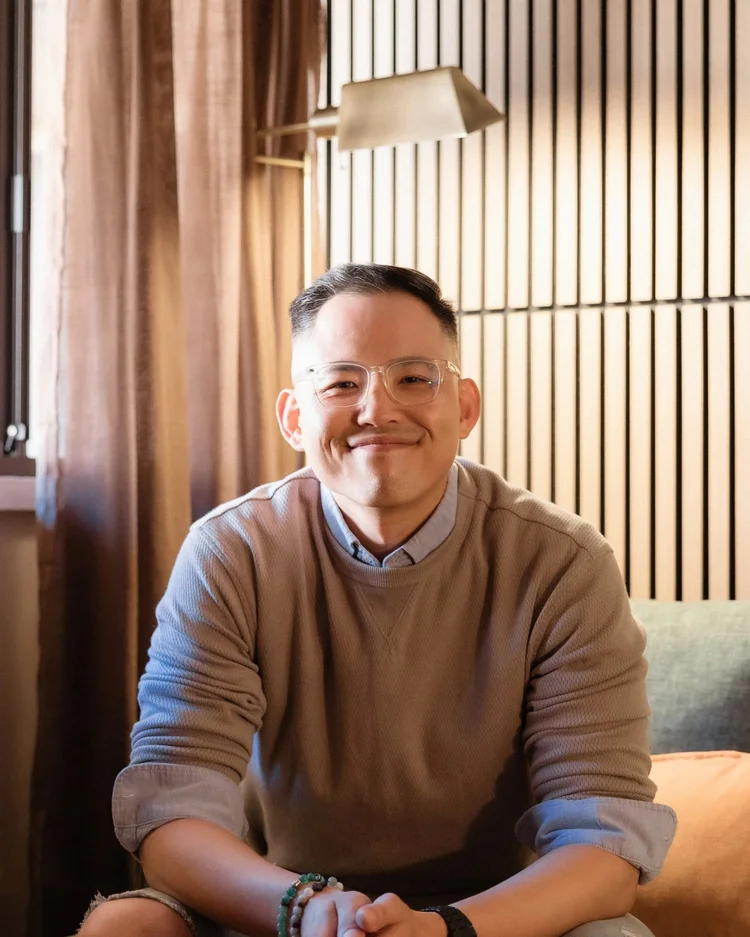
Dr. Kai Chuang, PsyD
Licensed clinical psychologist · Adolescents and adults
A human-first, skills-based approach grounded in CBT, attachment theory, and trauma-informed care, with experience supporting athletes and other high performers.
- Anxiety & stress
- Performance pressure
- Relationships
- Identity
- Life transitions
- Men’s mental health
The OPAL approach
Personalized Care, Not a One-Size-Fits-All Experience.
Understand the Individual
Learn about your experiences, concerns, context, and goals before deciding anything else.
Collaborate on Care
Explore appropriate treatment options together, so the plan reflects what matters to you.
Consider the Whole Context
Recognize relationships, identity, culture, and life circumstances as part of the picture.
Adapt Thoughtfully
Review progress along the way and adjust clinically appropriate approaches as things change.
These are principles, not promised outcomes. OPAL’s clinicians draw on different training and approaches, such as CBT, ACT, and DBT, so what care looks like varies by person and by clinician.
Not sure where to start?
You Don’t Have to Know Exactly What You Need.
Sometimes the hardest part is knowing where to begin. You might have a specific concern in mind, or you may simply want to better understand what support could look like.
OPAL’s consultation process offers an opportunity to ask questions, learn about available clinicians, and explore whether our services may be an appropriate fit. It’s a conversation, not an assessment, a diagnosis, or a therapy session.
Frequently asked questions
Questions About Finding the Right Support?
Short answers to common questions. For anything specific to you, our team is glad to talk it through.
How do I know whether OPAL is the right practice for me?
There isn’t a single sign. You can read each clinician’s profile on our providers page to see their background and approach, then request a free consultation to ask questions and see whether it feels like a fit. Fit is worked out together, and it’s fine to take your time.
Does OPAL provide therapy for teenagers?
Yes, OPAL works with adolescents. Whether care is appropriate depends on the teen’s age, clinical needs, clinician availability, and applicable consent requirements, and age ranges vary by clinician. Dr. Mraz works with adolescents 16 and older, and Dr. Chuang works with adolescents and adults. Our team can explain what to expect when you reach out.
Can college students and young adults receive care?
Yes. Dr. Mraz lists young adults and transitional-aged youth among her areas of focus, and Dr. Chuang works with adolescents and adults, including identity development and life transitions. Dr. Linn works with adults 18 and older. Availability varies by clinician.
Do you offer therapy for men?
Yes. Therapy for men isn’t a separate kind of treatment. It’s individual therapy with a licensed psychologist. Dr. Chuang works with men, as well as other adults and adolescents. You can read more on our therapy for men page.
Does OPAL work with athletes and high performers?
Yes. Dr. Chuang supports athletes and high performers navigating performance pressure, anxiety, and identity beyond achievement, and his background includes serving as primary psychologist for more than 450 NCAA Division I student-athletes. See our sports & performance psychology page.
Can I choose a specific clinician?
You’re welcome to say which clinician you’re interested in. Read the profiles on our providers page, then mention your preference when you request a consultation. Availability changes over time, and our team can talk through options if a clinician isn’t currently available.
What if I don’t know what type of therapy I need?
You don’t need to know. Individual therapy at OPAL begins with an intake interview, where your clinician gets to know your history and goals and builds a plan around you. A consultation can also help you think through what kind of support you’re looking for. Clinicians draw on different approaches, such as CBT, ACT, and DBT. See individual therapy at OPAL.
Are in-person sessions available?
Yes. In-person sessions are offered at our La Jolla office, 7946 Ivanhoe Ave, Suite 203. Formats can vary by clinician, so ask our team about the clinician you’re interested in.
Does OPAL offer virtual therapy in California?
Yes. OPAL offers secure, HIPAA-compliant virtual sessions for clients located in California.
Does OPAL accept insurance?
OPAL is in-network with Aetna, Cigna, and UnitedHealthcare and offers free eligibility checks so you can know your copay in advance. Self-pay options are also available. Coverage varies by plan, so please see our fees and insurance page for current details.
Can family members inquire on behalf of someone else?
Yes. Whether you’re exploring care for yourself, your teenager, or someone you care about, you’re welcome to reach out. Whether and how a clinician can begin care depends on the person’s age, consent, and clinical needs. Please don’t share sensitive health details through a website form; our team can talk with you directly.
What happens during a complimentary consultation?
The consultation is a complimentary phone conversation with one of our available providers. You can share what you’re looking for, ask questions, and get a sense of whether working together feels right. It isn’t a diagnosis, an assessment, or therapy. If it seems like a good fit, the provider helps schedule an initial intake appointment.
What if the clinician I want is unavailable?
Availability changes over time. If a clinician isn’t accepting new clients, you can join their waitlist and our team will reach out when an appointment opens. You can also request a consultation to hear about other clinicians who may be available.
What if OPAL is not the right clinical fit?
Fit matters, and it’s okay to say when something doesn’t feel right. Our team can talk through other OPAL clinicians who may be a better match, and if your needs seem outside what OPAL offers, they can talk that through with you too. OPAL isn’t an emergency service. If you’re in crisis, call or text 988, or call 911 in an emergency.
How do I get started?
Request a free consultation and tell us a little about what you’re looking for. Our team will follow up to help coordinate next steps. You can also contact OPAL directly.
OPAL Psychological
Your Next Step Can Start With a Conversation.
Whether you’re exploring care for yourself, your teenager, or someone you care about, we’re here to help you understand your options.
7946 Ivanhoe Ave, Suite 203, La Jolla, CA 92037 · (619) 259-0107
This page is for general information and is not a substitute for professional advice, diagnosis, or treatment. A consultation request is not an emergency service. If you are in crisis or need immediate support, call or text 988 (Suicide & Crisis Lifeline), or call 911 in an emergency.