
OPAL Psychological · La Jolla & San Diego
Depression & Mood Therapy in La Jolla
When Life Feels Heavier Than It Used To.
Depression can affect your energy, motivation, relationships, and sense of connection to everyday life. At OPAL Psychological, we offer individualized therapy to help people better understand what they’re experiencing and explore meaningful ways forward.
In-person psychological care in La Jolla, with virtual options across California.

Depression Doesn’t Always Look the Same.
Depression can involve more than feeling sad. For some people, it shows up as exhaustion, irritability, or a loss of interest in activities they once enjoyed. Others may experience difficulty concentrating, changes in sleep, or a sense of emotional disconnection.
- Persistent sadness or low mood
- Reduced motivation or energy
- Loss of interest in familiar activities
- Irritability or emotional numbness
- Changes in sleep or concentration
- Withdrawal or difficulty staying connected
Occasional low mood is a common human experience. When changes persist, intensify, or interfere with everyday life, professional evaluation may help clarify what’s happening.
Care That Begins With Understanding You.
Therapy at OPAL begins with understanding the individual. Your clinician will explore your experiences, circumstances, and goals to determine an appropriate approach to care. Approaches vary by clinician.
Cognitive Behavioral Therapy (CBT)
Exploring how patterns of thinking and behavior may contribute to low mood and identifying helpful ways to respond.
Acceptance & Commitment Therapy (ACT)
Working with difficult internal experiences while reconnecting with personal values and meaningful activities.
DBT-Informed Skills
Developing emotional regulation, mindfulness, and distress-tolerance skills where appropriate.
Mind-Body & Somatic Approaches
Exploring the relationship between physical sensations, emotional experiences, and regulation when appropriate to the clinician’s training.
Meet Our Mood & Depression Therapy Clinicians.

Dr. Ladera Linn, PsyD
Licensed clinical psychologist · Adults
A culturally grounded, identity-affirming approach that considers family, culture, and lived experience.
Currently waitlisted. Join the waitlist
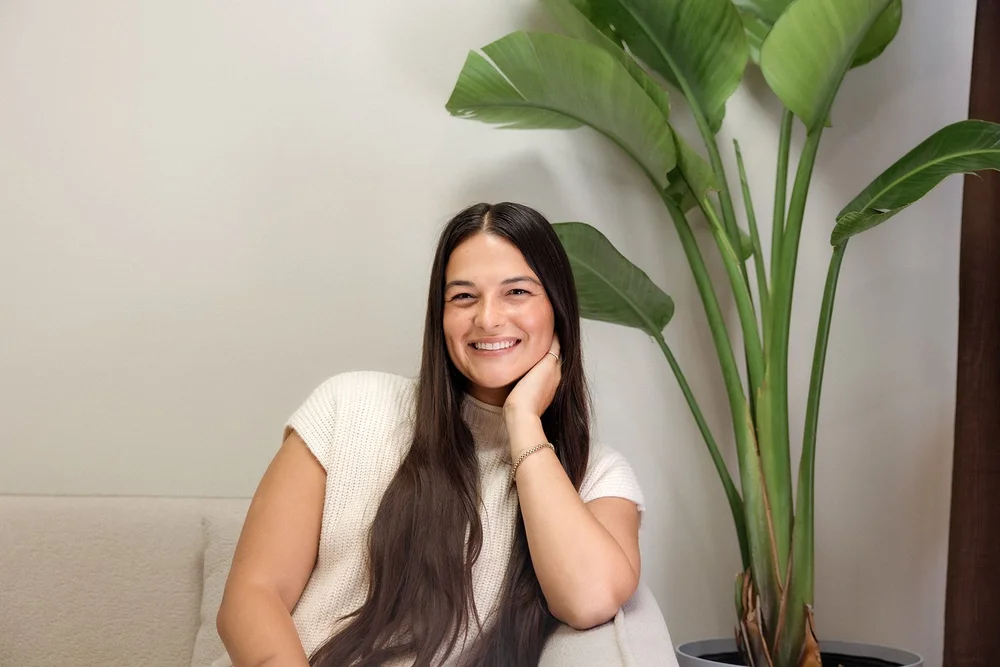
Dr. Alina Mraz, PsyD
Licensed clinical psychologist · Adolescents & adults
Clinical focus on depression and mood concerns, alongside anxiety and major life transitions.

Dr. Kai Chuang, PsyD
Licensed clinical psychologist · Adolescents & adults
A steady, systems-aware approach to mood concerns, stress, and performance pressure.
Questions About Depression Therapy?
How is depression different from occasional sadness?
Sadness can be a natural response to difficult experiences. Depression may involve more persistent changes in mood, interest, energy, thinking, or daily functioning. A qualified professional can help assess what you’re experiencing.
Can therapy help with low motivation and emotional numbness?
Therapy may help individuals understand patterns associated with low mood, explore emotional experiences, and develop approaches for everyday functioning and meaningful activities. Treatment is tailored to individual needs.
Does OPAL provide in-person and virtual depression therapy?
OPAL offers in-person appointments in La Jolla and virtual therapy options for eligible clients located in California. Availability depends on the clinician, service, and individual circumstances.
You Don’t Have to Navigate This Alone.
If changes in your mood, motivation, or emotional well-being have been affecting your life, an initial conversation can help you explore whether psychological care at OPAL may be appropriate.