OPAL Psychological | La Jolla, San Diego
Feeling Emotionally Overwhelmed? Therapy for Men in San Diego
When Everything Feels Like Too Much.
Work. Relationships. Responsibilities. Expectations. Sometimes it all adds up. If you’ve been feeling emotionally exhausted, overwhelmed, or unsure where to begin, therapy may offer a space to explore what’s happening.
Does Any of This Sound Familiar?
Overwhelm shows up differently for different people. Here are a few ways it can feel.
Everything Feels Urgent
Even small decisions can feel like one more thing you don’t have room for.
You’re More Irritable Than Usual
You notice yourself getting frustrated more easily, even when you don’t want to.
Your Mind Doesn’t Slow Down
Work, responsibilities, and unfinished tasks keep running through your head.
You Feel Emotionally Drained
You may have energy to keep functioning but little left for yourself.
You Withdraw Under Pressure
When stress builds, you may find yourself wanting to disconnect or be alone.
You Feel Responsible for Everything
It can seem like everyone needs something from you, leaving little space to recharge.
These experiences can have many causes and do not necessarily indicate a mental health diagnosis. This isn’t a checklist or a screening tool.
What Does Emotional Overwhelm Actually Mean?
“Emotional overwhelm” is a common, everyday way of describing the feeling that the demands on you, whether emotional, mental, or practical, have become hard to manage comfortably. It isn’t a formal diagnosis on its own, and it looks different from one person to the next.
These experiences can overlap with each other and with a range of medical, psychological, and life circumstances. That’s why it isn’t possible to tell what’s behind them from a web page, and why a conversation with a qualified professional can help sort it out.
- Overwhelm can sometimes involve
- Stress
- Anxiety
- Emotional exhaustion
- Irritability
- Difficulty concentrating
- Feeling disconnected
- Trouble relaxing
- Difficulty making decisions
When You’re Carrying a Lot, It Can Be Hard to Find Space for Yourself.
There isn’t one reason a person ends up feeling stretched thin, and pressures don’t land the same way for everyone. Some of the things that can contribute, for some men, are listed here.
Not all of them will apply to you, and many people carry several at once. Noticing what’s weighing on you is a reasonable place to start.
- Career expectations
- Family responsibilities
- Financial stress
- Relationships
- Parenting
- Personal expectations
- Major transitions
- Performance pressure
- Limited time for rest
- Difficulty asking for support
Stress, Burnout, or Emotional Overwhelm?
These words are often used interchangeably, but they aren’t the same thing.
Stress
A response to demands or perceived challenges. It can be short-lived and tied to a specific situation, and it often eases when the demand does.
Emotional Overwhelm
A subjective feeling that demands or emotions have become difficult to manage. It isn’t a formal diagnosis, and it can show up in many different circumstances.
Burnout
A term commonly used in relation to chronic workplace stress. The World Health Organization’s ICD-11 describes it as an occupational phenomenon, not a medical condition.
These experiences can overlap, and a professional assessment is sometimes needed to understand what’s going on. Reference: World Health Organization on burn-out and ICD-11.
You Don’t Have to Wait Until Things Get Worse.
People choose to talk with a psychologist for many reasons, and there’s no single threshold. These are some of the situations in which someone might consider it. You don’t need to recognize yourself in all of them, or in any of them, to reach out.
If you’re in crisis or need immediate support: call or text 988 (Suicide & Crisis Lifeline), or call 911 in an emergency. A consultation request is not an emergency service.
- Some reasons people reach out
- Stress is affecting relationships
- Emotional exhaustion persists
- Irritability is creating difficulties
- Coping strategies no longer feel effective
- Work and personal responsibilities feel increasingly difficult to balance
- You want to understand recurring emotional patterns
- You’re navigating a major life change
- You want support exploring healthier ways of responding to stress
Making Space to Understand What’s Going On
Depending on individual needs, therapy may provide an opportunity to work on areas like these. Treatment is individualized, and no particular outcome can be promised.
Understanding emotional patterns
Notice what tends to happen, and when, before a hard stretch builds.
Identifying sources of stress
Sort out what’s actually weighing on you from what only feels loud.
Developing coping strategies
Practice tools you can use between sessions.
Improving emotional awareness
Put words to what you’re feeling, even when that’s hard.
Exploring personal expectations
Look at the standards you hold yourself to and where they come from.
Strengthening communication
Find ways to say what you need to the people around you.
Considering healthier boundaries
Think through where you can say no, ask for help, or protect time to rest.
Navigating life transitions
Make room to process a change rather than just pushing through it.
Building more flexible responses
Develop more options than shutting down or pushing harder.
Looking for broader background on what individual therapy involves? See individual therapy at OPAL.

Psychologist at OPAL Psychological
Meet Dr. Kai Chuang, Psy.D.
Dr. Kai is a licensed clinical psychologist who works with adolescents and adults navigating anxiety, stress, relationship concerns, identity and self-doubt, life transitions, and performance pressure.
His approach is integrative, grounded primarily in Cognitive Behavioral Therapy, attachment theory, and trauma-informed care. In sessions, that means warmth paired with honest, direct support, and practical skills you can use outside the therapy room.
Dr. Kai works with men, and with other adults and adolescents too. This page is one of several areas of his work.
Getting Started Doesn’t Have to Be Complicated.
Reach Out
Visit OPAL’s consultation page and submit a request.
Explore the Fit
Connect with the OPAL team to discuss your needs and determine whether Dr. Kai may be an appropriate provider.
Begin the Conversation
If you decide to proceed, your first appointment provides an opportunity to discuss your concerns and goals.
No perfect words required.
Questions You Might Be Asking Yourself
General information, not a diagnosis or a substitute for professional care.
Why do I feel emotionally overwhelmed all the time?
There isn’t one answer, and a web page can’t tell you yours. Overwhelm often builds when demands, such as work, family, finances, or expectations, outpace the time and energy available to recover. It can also overlap with stress, anxiety, poor sleep, or other medical and psychological factors. If it’s been going on for a while, a conversation with a qualified professional can help identify what’s contributing.
Why do small things make me feel so frustrated?
When you’re stretched thin, there’s less capacity left over, so minor frustrations can land harder than they otherwise would. Irritability has many possible causes and doesn’t automatically mean something is wrong, but if it’s causing problems in your life or relationships, it’s worth exploring with a professional.
Why do I shut down when I’m stressed?
Pulling back or going quiet is a common way people respond to pressure. For some, it’s a way to cope when things feel like too much. Therapy can be a place to understand what that response is doing for you and to practice other options alongside it.
Can emotional overwhelm affect relationships?
It can. When you’re depleted, it may be harder to be patient, communicate openly, or be present with the people close to you. Many people find that working on their own stress response also changes how they show up in their relationships.
Is emotional overwhelm the same as anxiety?
Not necessarily. Overwhelm is a general description of how things feel, while anxiety refers to a specific kind of experience and, in some cases, a diagnosable condition. They can overlap. If worry or tension is a big part of what you’re feeling, you can read about anxiety therapy at OPAL.
How do I know if I’m experiencing burnout?
Burnout is generally discussed in the context of chronic workplace stress, and the World Health Organization describes it as an occupational phenomenon. Because it can look a lot like other experiences, including stress and low mood, it can be hard to sort out alone. A professional assessment can help.
Can therapy help me manage emotional overwhelm?
Therapy may help many people better understand what’s contributing to their overwhelm and develop practical ways to respond. What it looks like, and how much it helps, depends on the person and their circumstances, and no specific result can be guaranteed. See individual therapy for more.
What if I’m not comfortable talking about my feelings?
That’s a very common concern, and you don’t need to be fluent in it to start. Therapy can begin with practical conversations about what’s going on and what you’d like to change. Dr. Kai’s approach is human-first and skills-based, and the pace is something you work out together.
Do I need a diagnosis to start therapy?
No. Many people begin therapy because they want to understand something about their stress, relationships, or patterns, without a diagnosis in mind. If you plan to use insurance, a diagnosis is typically part of how claims are processed, so ask the OPAL team how that works for your plan. Details are on the fees and insurance page.
What happens during the first therapy session?
The first session at OPAL is an intake interview. Your provider gets to know your history and goals, then works with you on a personalized treatment plan. You don’t need to prepare anything in advance.
Does Dr. Kai work with men experiencing stress?
Yes. Dr. Kai works with men, as well as other adults and adolescents, on concerns such as stress, anxiety, relationships, and life transitions. You can read more on his profile page.
Does OPAL offer online therapy in California?
Yes. OPAL offers secure, HIPAA-compliant virtual sessions to clients located in California, in addition to in-person appointments at the La Jolla office.
How do I schedule a consultation?
Submit a request on OPAL’s contact page. The OPAL team will follow up to help schedule a complimentary phone consultation with a provider. If you’d like to work with Dr. Kai, mention that when they reach out.
A Welcoming Space to Begin
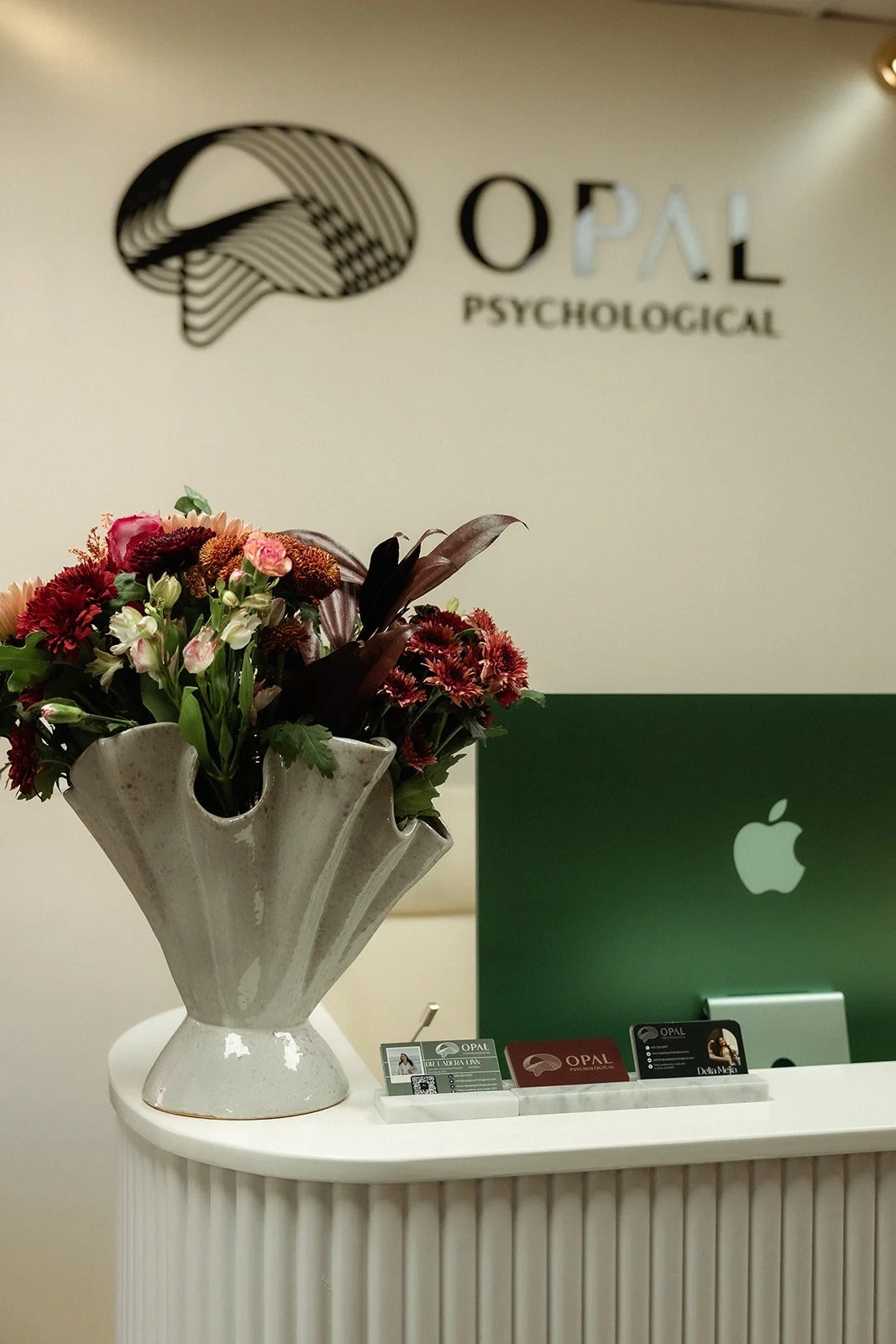
OPAL Psychological is a boutique psychological practice in La Jolla offering personalized care in a warm, professional setting.
- Personalized psychological care
- Evidence-based approaches
- Professional clinicians
- Individual therapy
- In-person appointments in La Jolla
- Virtual appointments across California
La Jolla, CA 92037

Explore More Support at OPAL
You Don’t Have to Figure Everything Out Alone.
If emotional overwhelm has been affecting your day-to-day life, exploring therapy may be a meaningful place to start. Learn more about Dr. Kai and whether his approach could be a good fit for you.
This page is for general information and is not a substitute for professional advice, diagnosis, or treatment. If you are in crisis or need immediate support, call or text 988 (Suicide & Crisis Lifeline), or call 911 in an emergency.