
Individual Therapy OPAL Psychological
Therapy That Makes Space for Your Life.
Personalized, one-on-one psychological care grounded in clinical expertise, meaningful connection, and an understanding of what matters to you.
In-person therapy in La Jolla and virtual appointments across California, depending on clinician availability.

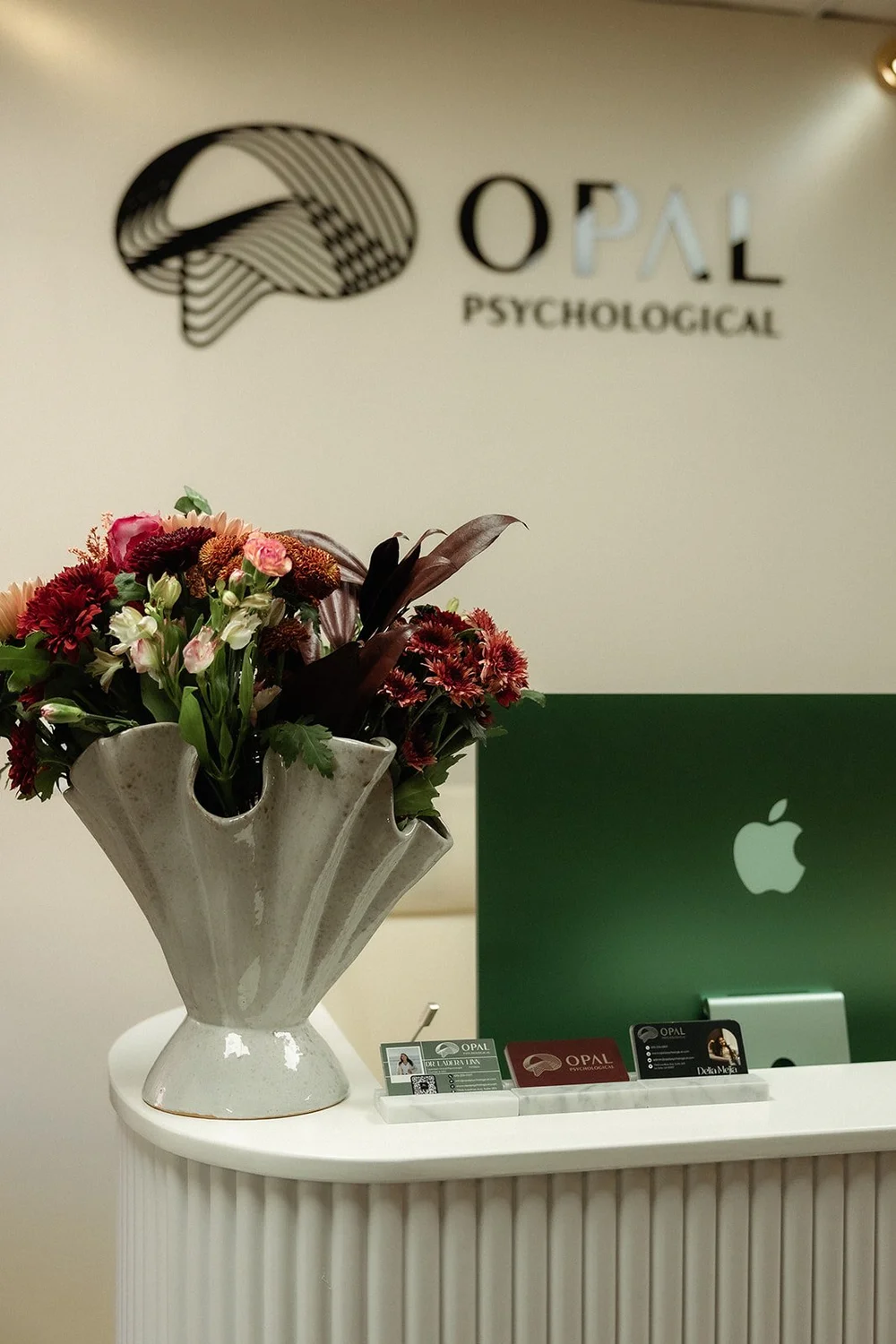
What Is Individual Therapy?
A Space to Focus on What Matters to You.
Individual therapy offers dedicated time to explore your thoughts, emotions, experiences, and goals with a qualified mental health professional. It can provide an opportunity to better understand patterns, navigate challenges, and consider new ways of responding to life’s demands.
At OPAL, care is tailored to the individual, taking into account personal experiences, relationships, cultural context, and the concerns that bring someone to therapy.
Therapy may involve
- Exploring emotional experiences
- Understanding patterns of thinking and behavior
- Building coping skills
- Navigating relationships
- Processing challenging experiences
- Developing insight and self-understanding
- Working toward personally meaningful goals
Therapy is individualized, and no particular outcome can be promised.
You Don’t Need a Perfect Reason
You Don’t Have to Have It All Figured Out.
Sometimes there’s a clear reason to reach out. Other times, you may simply notice that something in your life feels difficult, overwhelming, or out of balance.
- Feeling overwhelmed by responsibilities.
- Navigating uncertainty or a major life transition.
- Finding relationships or communication difficult.
- Experiencing persistent worry or emotional strain.
- Feeling disconnected from your own priorities.
- Wanting to better understand recurring patterns.
- Managing the pressures of school, work, or performance.
- Working through a difficult or distressing experience.
These are common reasons people reach out. They aren’t a checklist or an assessment, and they don’t suggest a diagnosis. You don’t need to reach a crisis, or have a name for what you’re feeling, before starting therapy.
What Can Individual Therapy Address?
Support for What You’re Navigating.
These are areas OPAL’s clinicians commonly support. Each clinician’s focus differs, so explore their profiles or ask during your consultation who may be the best fit.
Anxiety & Ongoing Stress
Support for worry, tension, and stress that’s hard to switch off.
Explore anxiety therapyDepression & Mood Concerns
A place to talk through low mood, lost motivation, or shifts in how you feel day to day.
Explore mood & depression therapyRelationships & Communication
Space to look at how you connect, communicate, and set boundaries with the people in your life.
Ask about this in your consultationLife Transitions & Identity
Support while you navigate change, uncertainty, and questions about who you are and what comes next.
Ask about this in your consultationEmotional Overwhelm
When everything starts to feel like too much, therapy can help sort out what’s actually weighing on you.
Therapy for men: emotional overwhelmAcademic & Professional Pressure
For students, professionals, and leaders carrying high expectations and demanding schedules.
Therapy for executives & professionalsTrauma & Difficult Experiences
Care that moves at a pace that feels safe, with attention to how hard experiences can shape us.
Explore trauma therapyConfidence & Performance
Support for athletes and high performers navigating pressure, self-doubt, and expectations.
Explore sports & performance psychologyAttention & Executive Function
Support for people navigating focus, organization, and follow-through, including ADHD-related concerns.
Explore ADHD therapyNot every clinician works with every concern, and this list isn’t exhaustive. If your situation doesn’t fit neatly into a category, that’s common. See who OPAL treats.
The OPAL Approach
Care That Considers the Whole Person.
Four principles shape how care is offered at OPAL, whichever clinician you work with.
Personalized Care
Treatment considers each client’s circumstances, preferences, concerns, and goals, rather than following a one-size-fits-all plan.
Evidence-Informed Practice
Clinicians draw from appropriate research, professional training, and clinical judgment.
Cultural Responsiveness
Care considers identity, relationships, culture, life experience, and the systems that shape them.
Meaningful Collaboration
The therapeutic relationship involves open discussion, mutual understanding, and shared attention to your treatment goals.
Therapeutic Approaches
Different Approaches. Thoughtfully Applied.
Individual therapists may draw from several evidence-informed approaches, depending on your needs, goals, and preferences.
A therapy model is a broader framework for understanding and working with a concern. Skills are specific tools drawn from a model, such as ways to notice a thought or settle a strong emotion. Clinicians often use skills from more than one model. No approach is best for everyone, and each clinician’s training and scope differ.
Cognitive Behavioral Therapy
CBTCBT explores how thoughts, emotions, and behaviors connect. It can help you notice unhelpful patterns and practice more flexible, realistic ways of responding.
Appears in the profiles of Dr. Chuang, Dr. Linn, and Dr. Mraz
Acceptance & Commitment Therapy
ACTACT builds psychological flexibility. It focuses on acting in line with your values while developing a different relationship with difficult thoughts and feelings, rather than letting them steer your choices.
Appears in the profiles of Dr. Chuang, Dr. Linn, and Dr. Mraz
Dialectical Behavior Therapy–Informed Skills
DBTSome clinicians use skills drawn from DBT: emotion regulation, distress tolerance, mindfulness, and interpersonal effectiveness. This is skills-based support, not a comprehensive DBT program.
Appears in the profiles of Dr. Linn and Dr. Mraz
Mind-Body & Somatic Approaches
Mind-bodyMind-body approaches can bring attention to bodily sensations, awareness, and regulation as part of therapy. Because clinicians differ in training and scope, ask your consultation provider whether and how this fits into their work.
What to Expect
What Does Beginning Therapy Look Like?
Four steps, at a pace that works for you.
- Step 01
Initial Connection
Request a complimentary consultation and share general information about the support you’re looking for.
- Step 02
Explore the Fit
Talk through appropriate clinicians, scheduling, and whether the practice may be a suitable match.
- Step 03
Your First Appointment
Meet with your clinician to discuss relevant history, current concerns, and goals, and begin exploring an appropriate plan.
- Step 04
Ongoing Collaboration
Continue working with your clinician at a frequency, and with approaches, that fit your individual circumstances.
Session length & frequencySessions are typically 50–60 minutes and commonly scheduled weekly, though frequency and duration vary by clinician and by what you need.
SchedulingAppointment availability depends on the clinician. Our team can talk through timing and options when you reach out.
Meet the Clinicians
Find a Clinician Who Feels Like the Right Fit.
OPAL’s psychologists bring different backgrounds and approaches. Finding the right match is part of the process, and our team can help.

Dr. Ladera Linn
Licensed Clinical Psychologist · Founder
Currently waitlist-only
Health psychology and behavioral medicine for adults 18+. Areas of focus include anxiety and stress, mood, trauma, eating and body image, chronic illness and pain, and sleep and burnout.
CBT · ACT · DBT · CPT · CBT-I · CBT-ED · mindfulness-based

Dr. Kai Chuang
Psy.D. · Licensed Clinical Psychologist
Accepting new clients
Works with adolescents and adults on anxiety, stress, trauma, relationship concerns, identity, and life transitions, with particular experience supporting athletes and high-pressure professionals.
Integrative · CBT · attachment theory · trauma-informed care

Dr. Alina Mraz
Psy.D. · Licensed Clinical Psychologist
Accepting new clients
Supports adolescents (16+) and adults (18+) who feel overwhelmed by intense emotion, with a focus on emotion regulation, distress tolerance, anxiety, depression, and life adjustments.
CBT · DBT · ACT
Availability changes over time and isn’t guaranteed. Request a free consultation and our team will share who may be available and help you find a fit.
In-Person & Virtual Therapy
Care That Connects With Your Life.
Meet in person in La Jolla or online from anywhere in California. Available formats vary by clinician.
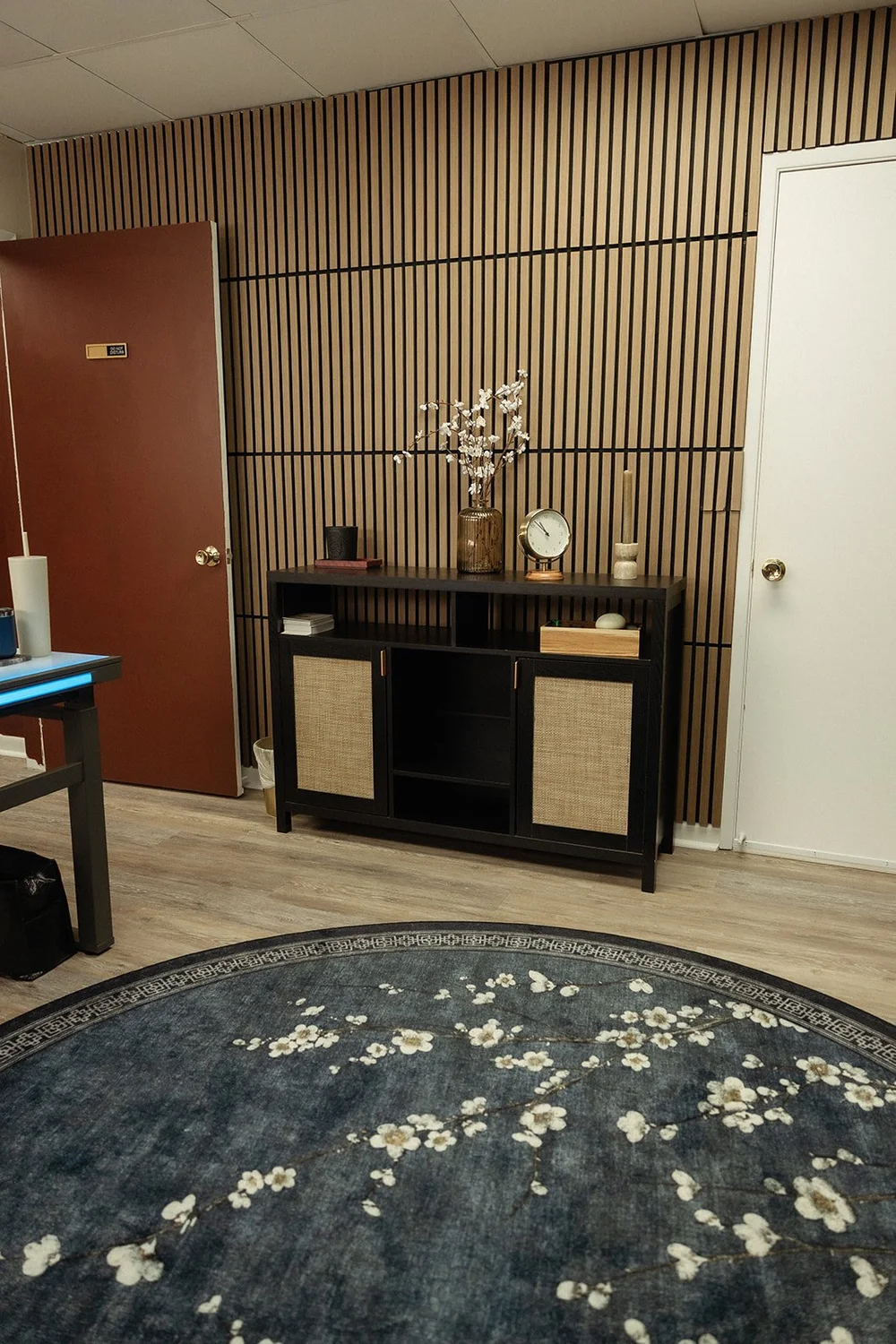
In-Person Therapy in La Jolla
Sessions take place at OPAL’s boutique office in La Jolla, a professional setting designed to feel calm and welcoming.
- Address7946 Ivanhoe Avenue, Suite 203
La Jolla, CA 92037 - Office hoursMonday–Friday, 9:00 am–6:00 pm
 From wherever you are in California
Virtual Therapy Across California
OPAL offers secure, HIPAA-compliant virtual sessions to clients located in California. Availability depends on the clinician, their licensure and scope, scheduling, and whether virtual care is appropriate for what you’re seeking. Not every service is offered virtually.
- Who it’s forClients physically located in California at the time of the session
- Good to knowFeel free to ask about telehealth privacy and setup during your consultation.
Fees & Insurance
Understanding Your Options for Care.
Understanding fees and insurance can be an important part of choosing care. OPAL offers self-pay arrangements and participates with select insurance networks. Our team can help clarify applicable practice policies and guide you toward relevant coverage information.
- In-networkAetna, Cigna & UnitedHealthcare
Participation and coverage can vary by plan and clinician. - EligibilityOPAL offers free eligibility checks so you can learn about your copay in advance.
- Self-paySelf-pay options are available for clients who prefer not to use insurance.
Frequently Asked Questions
Questions About Individual Therapy?
A few things people often want to know before they reach out.
OPAL’s website and consultation requests are not an emergency service. If you are in crisis or in immediate danger, call or text 988 (Suicide & Crisis Lifeline), or call 911.
How do I know whether individual therapy is right for me?
There isn’t a single test. Many people reach out because something feels heavy, unclear, or out of balance, and you don’t need a crisis or a diagnosis to start. A free consultation is a good place to ask questions and get a sense of whether individual therapy, and OPAL, feels like a fit.
What happens during the first session?
The first session is an intake interview. Your clinician gets to know your history, current concerns, and goals, and the two of you begin shaping a plan that fits you. You don’t need to prepare anything in advance.
How long are individual therapy sessions?
Sessions are typically 50–60 minutes. The exact length can vary by clinician and service, so your clinician or our team can confirm what to expect.
How often will I meet with my therapist?
Many people meet weekly, though frequency can flex up or down depending on your needs, goals, and schedule. You and your clinician will talk through what makes sense for you.
Can therapy help even if I don’t have a diagnosis?
Yes. Many people begin therapy to understand their stress, relationships, or patterns without a diagnosis in mind. If you plan to use insurance, a diagnosis is typically part of how claims are processed, so our team can explain how that works for your plan.
Do I need to know what I want to work on?
No. You can start with whatever feels closest, even if you can’t put a name to it yet. Part of the early work is sorting out what matters most to you.
How do I choose a psychologist?
Read each clinician’s profile, consider the concerns, populations, and approaches they list, and think about practical details such as format, scheduling, and insurance. If you’d like help, request a free consultation and our team can talk through your options. Fit matters, and it’s okay to ask questions.
Can I request a specific clinician?
Yes. You can mention the clinician you’d like to work with when you request a consultation. Availability changes over time, and some clinicians may have a waitlist. Our team can also share who else may be available.
Does OPAL provide therapy for adolescents?
OPAL works with adolescents. Whether services are appropriate depends on the teen’s age, clinical needs, clinician availability, and applicable consent requirements, and age ranges vary by clinician. Request a free consultation and our team can explain what to expect.
Is virtual therapy available?
Yes. OPAL offers secure, HIPAA-compliant virtual sessions for clients located in California, in addition to in-person sessions at the La Jolla office. Available formats can vary by clinician and by what is clinically appropriate.
Does OPAL accept insurance?
OPAL is in-network with Aetna, Cigna, and UnitedHealthcare and offers free eligibility checks so you can learn about your copay in advance. Participation and coverage can vary by plan and clinician. See our Insurance & Fees page for current details.
Can I pay for therapy privately?
Yes. Self-pay options are available. Details are on our Insurance & Fees page, and our team can answer questions about what applies to your situation.
Is what I share confidential?
Confidentiality is a cornerstone of therapy. What you share with your clinician is protected under applicable laws and professional standards, with limited exceptions, such as imminent danger, suspected child or elder abuse, or a court order. Your clinician can explain how this applies to you.
What is the difference between the free consultation and the first therapy appointment?
The free consultation is a complimentary phone conversation with one of our available providers. It’s a chance to share what you’re looking for and ask questions. It isn’t an assessment, a diagnosis, or therapy. If it feels like a good fit, the provider helps schedule your first therapy appointment, which is the intake interview.
What should I do if I need immediate mental health support?
OPAL’s website and consultation requests are not an emergency service. If you or someone else is in immediate danger, call 911. For urgent emotional support, call or text 988, the Suicide & Crisis Lifeline.
Ready When You Are
Your Next Step Can Start With a Conversation.
You don’t need to know exactly what therapy will look like before reaching out. An initial conversation can help you explore your questions, understand available options, and decide what feels appropriate for you.
This page is for general information and is not a substitute for professional advice, diagnosis, or treatment. If you are in crisis or need immediate support, call or text 988, or call 911 in an emergency.