
Navigating Holiday Meals in Eating Disorder Recovery
A compassionate guide to managing food-related anxiety, family expectations, and recovery through Thanksgiving and the holiday season.

When the Holidays Bring More Than Celebration
Thanksgiving is built around tradition, gratitude, and a long table. For someone navigating an eating disorder or working toward recovery, that same table can carry a different weight.
Holiday eating anxiety often starts well before the meal itself. It can show up as worry about unfamiliar foods, a break from the usual routine, relatives who comment on bodies, or the quiet sense that everyone is watching your plate. Comparison, fear of judgment, and uncertainty about when and where you will eat can all add to the load.
These experiences are individual. Some people find the holidays manageable, others find them harder, and much depends on the person, the diagnosis, and where they are in treatment. The holiday eating disorder tips below are meant to sit alongside the plan you have built with your own care team, never in place of it.
The goal of recovery during the holidays isn’t to create a perfect Thanksgiving. It’s to approach the season with support, flexibility, and care that reflects your individual treatment needs.
A hard holiday meal does not decide whether recovery is working. Thanksgiving falls on Thursday, November 26 this year, which leaves a few days to think ahead.
Why Can Holiday Meals Feel So Challenging During Recovery?
Several pressures tend to arrive together. Not everyone feels all of them, and they do not affect everyone the same way, but naming them can make them easier to plan around.
-
Changes in routine
Travel, late meals, large gatherings, and disrupted days remove the predictability that many people rely on in recovery.
-
Increased focus on food
Holiday conversation often circles back to what is being cooked, who is eating what, and how much. That constant spotlight can be hard to sit inside.
-
Family and social expectations
Gatherings can include remarks about appearance, bodies, or eating habits, sometimes meant kindly, and often landing hard.
-
Comparison and social media
Seasonal messaging tends to amplify diet culture and body comparison, which can feed the very thoughts recovery is working to loosen.
-
Emotional undercurrents
Grief, loneliness, family history, relationship tension, and the pressure to feel festive all shape how a meal feels, and they can overlap with eating-related anxiety.
Before the Gathering: Building a Supportive Plan
Preparation works best when it is specific and kind. These five steps can help, and your clinician can adapt each one to your situation.
-
Connect with your treatment team
If you work with a therapist, registered dietitian, or physician, bring up the holiday in advance. Your team can help you anticipate difficult moments while keeping the approach that fits your recovery.
-
Maintain your individualized eating structure
Skipping meals or restricting in anticipation of a big dinner tends to work against recovery. Consistent, adequate nourishment matters, and if you have a meal plan, the plan you built with your team is the one to follow. This article does not recommend specific timing, portions, or quantities because those decisions belong in treatment.
-
Identify a supportive person
Consider who could help on the day. That might be someone who can steer an uncomfortable conversation elsewhere, someone who understands your boundaries, someone available for a brief check-in, or someone who offers company without judgment.
-
Think about boundaries ahead of time
Decide in advance how you might respond to comments about weight, bodies, or diets. A sentence you have rehearsed is easier to reach for when you are under pressure (see examples below).
-
Give yourself flexibility
The day may not unfold exactly as planned. A supportive plan creates structure without requiring you to control every moment.
At the Table: Staying Connected to What Supports Recovery
Once the meal begins, the aim is not to perform recovery perfectly. It is to stay connected to what your team has helped you put in place.
- Follow your individualized plan, if you have one, rather than improvising rules in the moment.
- Stay near your support person or arrange a quick check-in during the day.
- Notice uncomfortable feelings without grading yourself for them. Anxiety at a holiday meal is common and does not mean something has gone wrong.
- Use the coping skills you have practiced with your clinician, such as grounding or paced breathing.
- Take a brief pause if you need one. A short walk to a quiet room can help, as long as it is not used to avoid nourishment you need.
- Redirect conversations that move toward food rules, bodies, or diets.
- Remember the day holds more than food: the people, the stories, the traditions you want to keep.
Coping strategies should support recovery. If a strategy starts functioning as another way to avoid eating or to control the meal, bring it to your treatment team. It also helps to treat the meal as a meal, not a test of willpower.
You don’t need to feel completely comfortable to take a recovery-supportive step.
Recovery doesn’t pause for the holidays, and neither does support.
What to Say When the Conversation Turns to Food or Body Image
Short, steady phrases tend to work better than long explanations. Choose the ones that sound like you.
- Option 1“I’d rather not talk about diets today.”
- Option 2“Can we focus on catching up instead?”
- Option 3“I’m working on having a healthier relationship with food, and I’d appreciate your support.”
- Option 4“I’m not comfortable discussing my body.”
- Option 5“Let’s talk about something else.”
You do not owe anyone a diagnosis or details about your treatment. A boundary can be as simple as changing the subject or stepping away from a conversation. If this page is useful to someone in your life, feel free to share it with them before the holiday.
Supporting Someone in Eating Disorder Recovery During the Holidays
If you are a parent, partner, spouse, friend, or caregiver, your care matters. Well-intended comments can still have unintended effects, so a little forethought goes a long way.
Skip comments on weight, bodies, and appearance
That includes compliments, which can reinforce the idea that bodies are always up for evaluation.
Avoid labeling foods
Words like good, bad, clean, or unhealthy keep food moralized, which is the opposite of what recovery encourages.
Leave how much someone eats alone
Noticing or remarking on quantities, in either direction, tends to heighten shame and self-consciousness.
Ask how you can help
Rather than guessing, ask what would feel supportive, and ask before the day, not during the meal.
Respect the treatment plan
Follow the individual’s clinical guidance, even when it looks different from your family’s usual traditions.
Make room for connection beyond food
Conversation, games, a walk, a shared task in the kitchen: moments that remind everyone the day is about being together.
One nuance: in some treatments, such as family-based approaches, caregivers play an active role in meal support. So this is not a call for loved ones to stay silent about food. It is a call to follow the treatment team’s guidance and to avoid unsolicited, judgmental commentary.
Support is often less about saying the perfect thing and more about listening, respecting boundaries, and following through.
Recovery Isn’t Defined by One Holiday Meal
Some holidays go better than expected. Others bring difficult moments, urges, or a meal that felt harder than anyone hoped. Neither outcome erases the work behind you.
Difficult feelings do not cancel progress, and recovery is rarely a straight line. A hard day can also be useful information, pointing to where more support or preparation could help. Shame and self-criticism rarely help with that, but a steady conversation with your clinician often does.
Self-compassion matters, and it is not enough on its own when symptoms intensify. Eating disorders can carry significant medical and psychological risks. If concerning behaviors return or escalate, reach out to your therapist, dietitian, physician, or treatment team promptly instead of waiting for the feeling to pass.
After Thanksgiving: Caring for Yourself Beyond the Meal
The day after can be quietly tender. A few steady practices help:
- Return to your individualized recovery routine and keep nourishing yourself consistently. A holiday meal does not need to be corrected or balanced out.
- Check in with a trusted person about how the day felt.
- Reflect without judgment. Which moments were hard? Which supports helped?
- Plan a follow-up with your treatment team so what you learned can shape the next gathering.
- Limit exposure to post-holiday diet messaging. Muting or unfollowing accounts that push cleanses, resets, or “fresh starts” can protect your recovery.
- Avoid compensatory behaviors. If urges to restrict, exercise, or compensate arise, treat them as a signal to contact your team.
When Might It Be Time to Seek Eating Disorder Support?
You do not need to wait for a crisis to talk with someone about your relationship with food. Signs that a professional evaluation could be useful include:
- Persistent anxiety around meals
- Preoccupation with food, weight, or body image
- Avoiding gatherings because of food-related distress
- Rigid food rules
- Concerns about compensatory behaviors
- Growing secrecy or isolation around eating
- Difficulty keeping up with a treatment plan
- Significant emotional distress about body image
This list is not diagnostic. Eating disorders affect people across body sizes, ages, genders, and backgrounds, and someone does not need to look a certain way to be seriously struggling. If these concerns sound familiar, an individualized assessment is the right next step.
Compassionate Care for Eating Disorders and Body Image Concerns
Opal Psychological is a boutique psychology practice offering individualized outpatient care in La Jolla. Eating-related concerns rarely live in one place, so our approach considers the psychological, emotional, behavioral, relational, and family contexts around them.
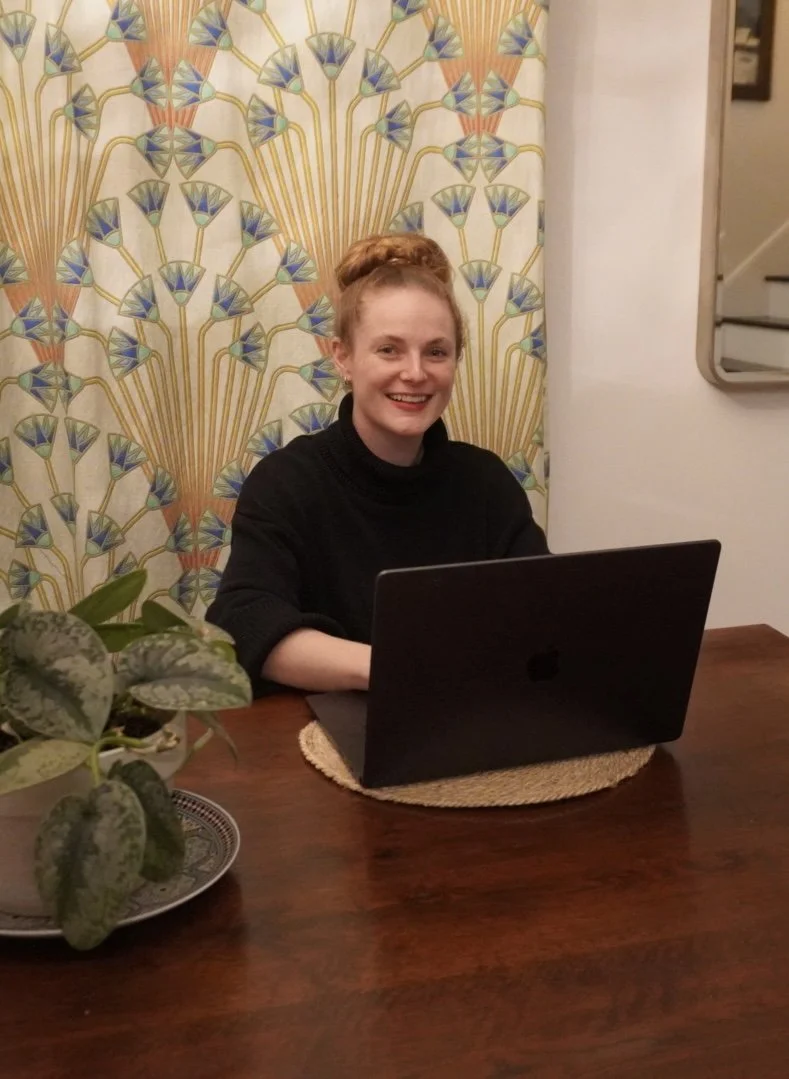
Dr. CJ Cruz, PsyD
Dr. CJ is a licensed clinical psychologist with experience working with adolescents and young adults navigating eating disorders and related emotional and psychological concerns. Her background includes evidence-based approaches such as Dialectical Behavior Therapy and Family-Based Treatment, and she pays attention to the role of family and caregivers when appropriate.
Her care emphasizes compassion, personalized treatment, practical coping skills, emotional regulation, collaboration, and a nonjudgmental therapeutic relationship.
Opal’s eating disorder treatment services also include Dr. Ladera Linn, whose work focuses on bulimia nervosa, binge eating disorder, and body image concerns. Not every Opal clinician treats every eating disorder, and the right clinician and level of care depend on the individual.
Opal provides outpatient psychological services. Eating disorders can call for multiple levels of care, including medical monitoring and nutritional support, and we are glad to talk through what that might look like. A complimentary 15-minute consultation is a low-pressure way to share what you are facing and see whether we are the right fit.
Frequently Asked Questions About Eating Disorder Recovery During the Holidays
Why are holidays difficult for people recovering from eating disorders?
Holidays often combine food-centered activities, changes in routine, social expectations, and comments about bodies or eating. For some people that mix raises anxiety and urges; for others it matters less. Experiences differ by person, diagnosis, and stage of treatment, which is why individualized planning with a care team is so useful.
How can I manage anxiety around Thanksgiving meals during eating disorder recovery?
Plan ahead with your treatment team, identify a supportive person, and prepare a few boundary phrases for unwanted comments. Use the coping skills you have practiced with your clinician, and keep following your individualized eating plan. Anxiety may still show up, and that is not a sign of failure. If it feels overwhelming, tell your team.
Should I skip meals before Thanksgiving dinner?
No. Restricting food to make up for or prepare for a holiday meal can interfere with eating disorder recovery and tends to increase distress around the meal. Follow the plan you have established with your treatment team rather than creating your own restrictive rules. If you are unsure what your day should look like, ask your clinician or dietitian before Thursday.
How can I support a family member with an eating disorder during Thanksgiving?
Ask what would feel helpful, avoid comments on weight, bodies, and amounts eaten, and keep food from becoming the main topic. Follow the guidance of their treatment team, which may include a defined role for caregivers at meals. Focus on conversation and connection, and respect the boundaries they set, even when they change.
Where can I find eating disorder therapy in San Diego?
Opal Psychological offers outpatient eating disorder therapy in La Jolla, with virtual sessions available for California residents where clinically appropriate. You can learn about our approach and clinicians on our eating disorder treatment page, and a complimentary 15-minute consultation can help determine whether outpatient care fits your needs.
Making Room for Recovery This Holiday Season
Holiday gatherings do not need to be perfect to be meaningful.
For people in eating disorder recovery, support may mean preparation, boundaries, individualized care, and patience with how hard the season can be. For loved ones, it may mean listening, respecting the recovery process, and making room for connection beyond food.
Recovery can continue through difficult moments, and professional support is available when you want it.
Your Relationship With Food Deserves Care, Not Judgment.
If holiday meals, body image concerns, or eating-related anxiety are affecting your well-being, individualized psychological support may help. Connect with Opal Psychological to learn more about our eating disorder treatment services and discuss whether outpatient therapy is an appropriate fit.
In-person therapy in La Jolla
Virtual therapy in California, where clinically appropriate
Resources & Further Reading
- Navigating Holiday EatingNational Eating Disorders Association (NEDA)
- 7 Tips for Getting Through Thanksgiving in Eating Disorder RecoveryNational Eating Disorders Association (NEDA)
- Eating Disorders: Overview, Signs, and TreatmentNational Institute of Mental Health (NIMH)
- What Are Common Types of Eating Disorders?National Institute of Mental Health (NIMH)
More from Opal: visit our blog.
This article is provided for educational purposes only and is not a substitute for individualized psychological, nutritional, or medical care. Eating disorder recovery needs differ from person to person. Individuals currently receiving treatment should follow guidance from their healthcare team. If you are experiencing a medical emergency, call 911 or visit the nearest emergency department.
