
Opal Psychological · California Telehealth
Meet Dr. CJ Cruz
Psychologist at Opal Psychological
Thoughtful, affirming therapy for people who want to understand themselves — not become someone else.
Dr. CJ is a virtual psychologist in California who works with teens, young adults, and adults. Her focus includes autism and neurodiversity, eating disorders and ARFID, anxiety, and support for the families who walk alongside them. Her starting point is simple: understanding comes first.
- Teens & Young Adults
- Virtual Care Across California
- Neurodiversity-Affirming

Behaviors rarely come out of nowhere. Most make more sense once you see the context around them.
About Dr. CJ’s Perspective
A Place to Understand What Is Happening Beneath the Surface
Worry, avoidance, masking, rigid eating patterns, and the coping strategies we lean on often make more sense when they are viewed in context.
Dr. CJ Cruz brings curiosity instead of judgment to that process. Together, you can explore what a pattern may be doing for you, what your environment is asking of you, and what kind of support actually fits the way you think, feel, and move through the world.
As a telehealth psychologist in California with Opal Psychological, she offers therapy for teens, young adults, and adults, with particular depth in neurodiversity-affirming care, eating disorder therapy, and support for parents and caregivers.
Areas of Focus
What Brings You Here?
Autism & Neurodivergence
Support for understanding communication, sensory experiences, masking, identity, relationships, and what helps you thrive.
Eating Disorders & ARFID
Support involving anorexia, bulimia, ARFID, orthorexia, restrictive patterns, food anxiety, and recovery.
Anxiety, OCD & Avoidance
Understanding worry, uncertainty, avoidance, reassurance seeking, and patterns that may make life feel smaller.
Body Image & Relationship With Food
Support for body image concerns, chronic dieting, rigid food rules, and rebuilding a steadier relationship with eating.
Emotional Regulation
Understanding intense emotions, coping behaviors, distress, and more effective ways of responding.
Social, Relationship & Life Transitions
Support for relationships, communication, identity, school transitions, emerging adulthood, and life changes.
These are examples of concerns Dr. CJ works with and are not a diagnostic checklist.
Neurodiversity-Affirming Care
You Don’t Need to Fit a Mold to Be Understood.
Different isn’t less. The world is often built around neurotypical ways of thinking, communicating, and interacting, and that mismatch can be exhausting for people whose brains work differently.
Autism doesn’t have one look. Autistic people can be social, academically or professionally successful, and highly communicative. Masking can also make internal struggles hard for others to see, and outward functioning doesn’t always show how much energy someone spends managing sensory and social expectations.
In autism therapy with Dr. CJ, the goal is not to teach you to seem “less autistic.” It’s greater self-understanding, acceptance, clearer communication, meaningful support, and an environment that fits you better. Strengths and support needs both matter, and both are part of the conversation.
- Self-Understanding
- Identity
- Sensory Needs
- Communication
- Masking
- Relationships
Food · Body · Sensory Experiences
Eating Is More Complex Than “Just Eat Normally.”
Eating disorder recovery is rarely as simple as “listen to your body” or “stop labeling foods good and bad.”
That’s especially true when sensory differences, anxiety, or unreliable hunger cues are part of the picture. Dr. CJ is interested in the function behind a behavior: what it may be helping you manage before anyone asks you to let it go.
Not every eating concern comes from emotion alone, and treatment is never one-size-fits-all. Careful, individualized work can help sort out what is sensory, what is anxiety, what is habit, and what is something else entirely.
Dr. CJ works with
- Anorexia nervosa and bulimia nervosa
- ARFID, including sensory food aversions and food-related anxiety or avoidance
- Orthorexia and rigid eating patterns
- Disordered eating and chronic dieting
- Body image concerns
Where eating and neurodivergence can overlap
Eating can be shaped by sensory experiences, emotional regulation, the need for predictability or control, and anxiety. For neurodivergent people, these threads are often tangled together, and untangling them is a central part of Dr. CJ’s clinical perspective. This is eating disorder therapy in California that makes room for the whole person.
“People deserve to feel understood before they’re expected to make changes.”
— Dr. CJ Cruz
Therapy isn’t about changing who you are. It can help you understand yourself, name what you need, build effective support, communicate more clearly, and grow in ways that matter to you.
Her Approach
Evidence-Based Care Without Losing the Human Being
Understand the Function
Explore what a behavior, coping strategy, or pattern may be doing for you before simply trying to remove it.
Build Flexibility
Develop skills for navigating distress, uncertainty, emotions, and situations that may currently feel overwhelming.
Respect Neurodivergence
Support is individualized rather than based on forcing someone to fit a neurotypical standard.
Work Collaboratively
Treatment is something done with clients and families — not to them.
Approaches may include: CBT-E · Family-Based Treatment (FBT) · DBT · ACT · Exposure-Based Approaches · Neurodiversity-Affirming Care · Parent/Caregiver Coaching
In plain English: CBT-E is an enhanced form of cognitive behavioral therapy designed for eating disorders. FBT (sometimes called the Maudsley approach) brings caregivers in as active partners. DBT builds skills for intense emotions and distress, and ACT focuses on acting in line with your values even when things feel hard. Exposure-based approaches help you gradually face feared situations at a manageable pace.
Care is individualized, and not every method is right for every person.
Support for Parents & Caregivers
When One Person Is Struggling, the Whole Family Can Feel It.
A new diagnosis or an eating disorder can bring uncertainty, fear, confusion, and conflict, along with a lot of questions about how to help.
Dr. CJ doesn’t expect parents to already know what to do. She approaches caregivers with compassion rather than judgment, including when it’s hard to understand or accept a diagnosis. The aim is to help families move from misunderstanding one another toward working together, while protecting a teen’s voice, identity, and growing independence. This is parent support and therapy for adolescents that includes the people who love them.
- Understanding needs that aren’t immediately visible
- Adjusting how you communicate
- Supporting autonomy
- Learning how to respond to distress
- Strengthening connection
- Participating appropriately in eating disorder treatment
Caregiver involvement is shaped by clinical fit and each young person’s needs.
Who Dr. CJ Works With
Support Through Important Stages of Growing Up
Teens
Approximately age 13+, with younger adolescent fit considered individually based on development and telehealth appropriateness.
Young Adults
College, identity development, independence, relationships, eating concerns, neurodivergence, and major transitions.
Adults
Particularly adults navigating neurodivergence, anxiety, eating and body concerns, relationships, identity, or life transitions.
Dr. CJ’s current services are provided virtually to clients located in California.
Who Is Welcome Here
Dr. CJ especially welcomes the opportunity to work with
- Autistic & neurodivergent individuals
- LGBTQIA2S+ clients
- Students
- BIPOC clients
- Parents & caregivers
- Families navigating autism
- Families supporting eating disorder recovery
About CJ
Beyond the Therapy Room
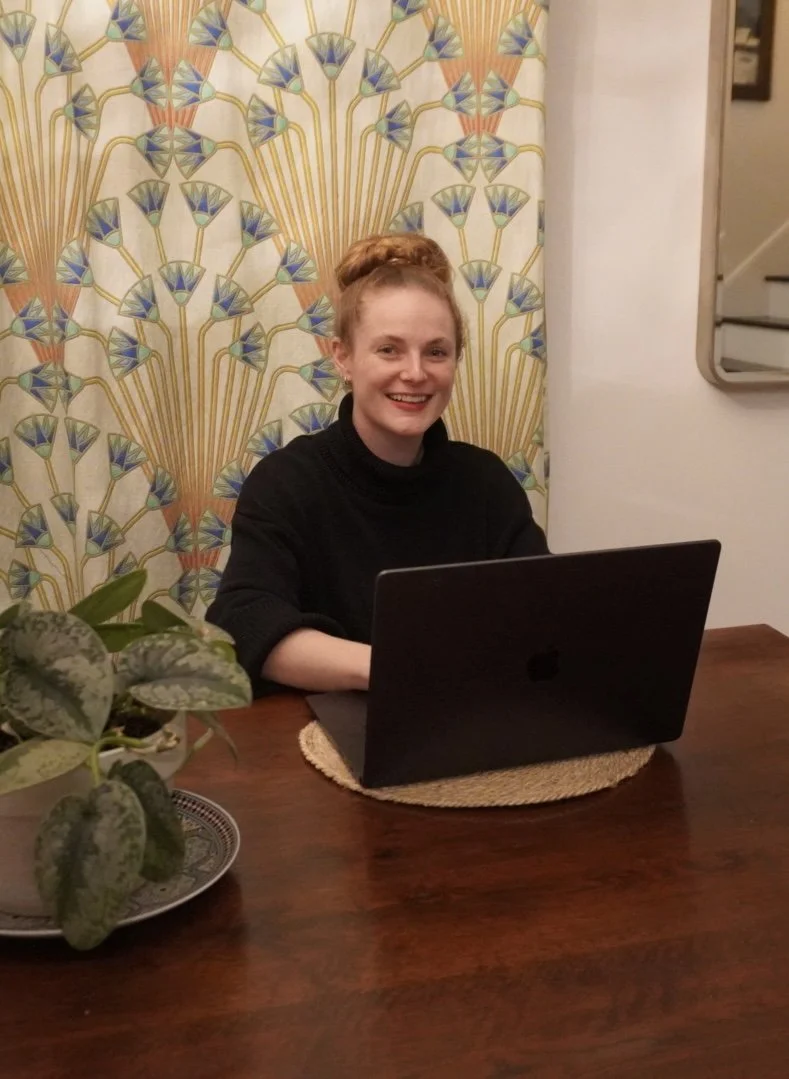
When she isn’t working, Dr. CJ is often reading fantasy, exploring a bookstore or local coffee shop, spending time outdoors, tackling a home project, or hanging out with her partner and their three bulldogs.
She also loves to sew, to travel, and to learn new things, and she can easily disappear down a research rabbit hole when something catches her interest. That same curiosity is part of how she shows up for clients.
- Fantasy Books
- Coffee Shops
- Three Bulldogs
- Travel
- Sewing
- The Outdoors
Getting Started
Your First Step Is Simply a Conversation.
Reach Out
Request a complimentary consultation and tell the Opal team a little about what you’re looking for.
Explore the Fit
Talk about your needs, Dr. CJ’s approach, scheduling, and whether working together may make sense.
Begin Care
If it feels like an appropriate fit and scheduling is available, the team will help coordinate your first appointment.
Questions
Frequently Asked Questions
Who does Dr. CJ work with?
Dr. CJ primarily works with teens, young adults, and adults. Fit for younger adolescents is considered individually, based on development and whether telehealth is appropriate.
Does Dr. CJ work with autistic or neurodivergent clients?
Yes. Her perspective is neurodiversity-affirming: different isn’t less, and the environment plays a real role in mental health. Therapy focuses on self-understanding, communication, and support that fits you rather than on appearing less autistic. She works with autistic teens and adults, and with their families.
Does Dr. CJ treat eating disorders?
Dr. CJ works with anorexia nervosa, bulimia nervosa, ARFID, orthorexia, disordered eating, body image concerns, chronic dieting, and related food anxiety and avoidance. Treatment is individualized and may involve caregivers when appropriate.
Does Dr. CJ work with ARFID and sensory food concerns?
Yes, where clinically appropriate. That includes exploring how sensory experiences, food, anxiety, and neurodivergence connect for each person.
Does Dr. CJ work with parents and caregivers?
Yes, particularly around adolescents, autism and neurodivergence, and eating disorders. Parent and caregiver coaching is part of how she supports families.
What therapy approaches does Dr. CJ use?
Her approaches include CBT-E, Family-Based Treatment (FBT), DBT, ACT, exposure-based approaches, neurodiversity-affirming care, and parent/caregiver coaching. Which ones are used depends on your needs, and not every approach fits every person.
Are appointments virtual or in person?
Dr. CJ’s current services are virtual (telehealth) for clients located in California. Opal Psychological is based in La Jolla, San Diego.
How do I get started?
Request a free consultation through Opal’s consultation page. The team will talk with you about what you’re looking for and whether Dr. CJ may be a good fit.
Ready When You Are
You Don’t Have to Understand Everything Before You Reach Out.
Whether you’re seeking support for yourself, your teenager, or your family, the first conversation can simply be about understanding what’s going on and whether Dr. CJ may be a good fit.